



Two decades after its release, The Devil Wears Prada continues to shape how we understand fashion, authority, and taste. What once felt like a sharp satire of the magazine world now reads like a blueprint for today’s digital fashion ecosystem.
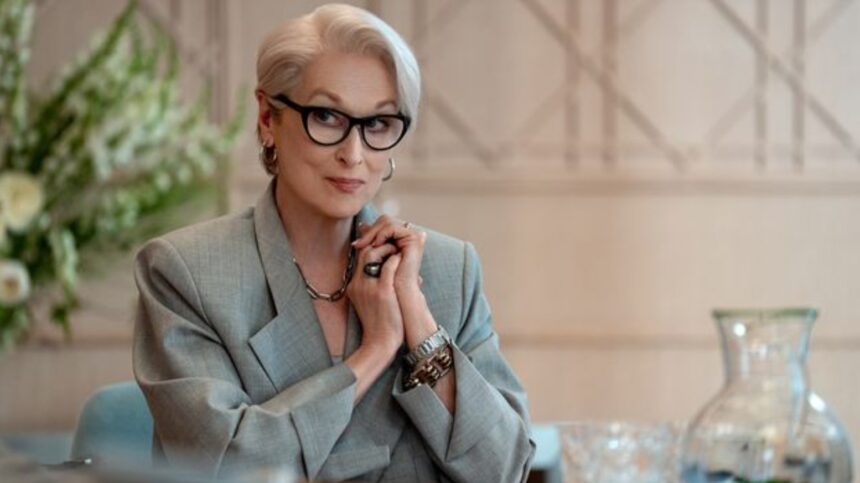
At the center of it all remains Miranda Priestly—the archetype of controlled authority and razor-sharp taste. But while the character once represented a closed circle of elite editors, her influence has now multiplied across the internet.
The Rise of the “Digital Miranda”
Fashion commentary is no longer confined to glossy magazine offices. Today, it lives on social platforms where creators dissect runway looks in real time, break down references, and evaluate styling choices with precision.
The modern fashion critic doesn’t just say whether something looks good. They explain its lineage, its inspiration, and whether it aligns with a designer’s legacy. Taste has become analytical—and highly performative.
From Expensive to “Correct”
In the past, fashion hierarchy was straightforward: runway to editorial to retail. A select group decided what mattered. Now, access has expanded, but scrutiny has intensified.
The shift is subtle but important. Fashion is no longer just about wearing something expensive—it’s about wearing it correctly. Knowing the story behind a silhouette or the origin of a trend has become part of the aesthetic itself.
This has created a new kind of pressure: not just to dress well, but to justify every choice.
The New Language of Style
Social media has introduced a shared vocabulary of fashion critique. Terms once reserved for insiders are now widely used, from “archival references” to “house codes.”
Fashion weeks, red carpets, and celebrity appearances are collectively analyzed in real time. Audiences participate in decoding looks, comparing inspirations, and forming instant verdicts.
In this environment, style is no longer passive—it’s interactive.

Effortless, But Informed
One of the biggest shifts in modern fashion culture is the rise of “effortless knowledge.” Looking understated while signaling awareness has become the new ideal.
Outfits today often balance comfort, craft, and cultural cues—subtle indicators that the wearer understands both tradition and trend. The goal isn’t just to stand out, but to appear naturally in sync with the moment.
Has Fashion Become More Democratic?
While access to fashion content has widened, the idea of “democratic taste” comes with its own contradictions. Instead of eliminating snobbery, it has reshaped it.
Judgment now revolves around authenticity—who understands fashion versus who is “trying too hard.” Irony and understatement often replace overt displays of luxury, but the underlying hierarchy remains.
Miranda Priestly’s Lasting Legacy
Miranda Priestly’s iconic monologue about the cerulean sweater highlighted a truth that still resonates: fashion is deeply interconnected, and very little is accidental.
Today, that awareness is no longer limited to insiders. It’s part of mainstream culture. The difference is that instead of one Miranda, there are thousands—each with a platform, an audience, and a point of view.
IndyaStory Takeaway
Fashion didn’t become less exclusive—it became more informed. What The Devil Wears Prada once portrayed as insider knowledge is now public currency. The gatekeepers didn’t disappear—they evolved.