




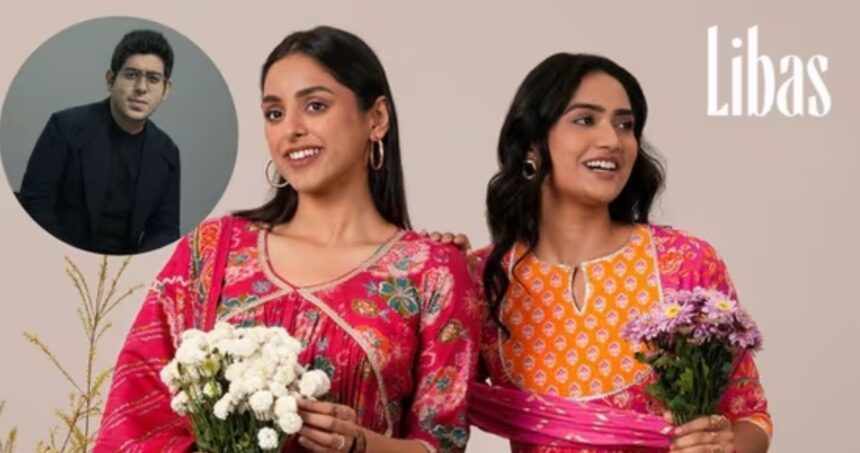
Indian wear is no longer limited to weddings and festivals. It is steadily becoming a part of everyday dressing, shaped by changing lifestyles and a growing demand for comfort and versatility.
From easy-to-style kurtas to relaxed co-ord sets, ethnic fashion is being redefined for daily use. Today’s consumers are looking for pieces that are not only visually appealing but also practical enough for work, casual outings, and repeat wear.
Everyday Ethnic Is the New Normal
According to industry insights, the biggest shift in recent years has been how frequently people wear ethnic clothing. Instead of reserving it for special occasions, many are now integrating it into their daily wardrobes.
This transition is closely linked to the rise of ready-to-wear styles. Shoppers are increasingly choosing convenience over traditional unstitched outfits, favouring pieces that offer consistent fit and ease.
At the same time, buying patterns have evolved. Consumers are shopping more often but focusing on value—opting for versatile garments that can be styled multiple ways.
The Rise of Modern Silhouettes
Contemporary silhouettes are leading this transformation. Co-ord sets, updated kurtas, and easy suit sets are among the most popular choices, thanks to their adaptability.
Traditional designs, while still relevant, are now more occasion-focused. Instead of heavily embellished outfits, many consumers prefer lighter, updated versions that balance tradition with modern aesthetics.
Fusion Fashion Takes the Lead
Fusion wear is seeing strong traction, especially among younger shoppers. Mixing Indian and Western elements—like pairing kurtas with sneakers or styling ethnic tops with denim—has become increasingly common.
This flexibility allows consumers to get more use out of each piece, aligning with a more practical approach to fashion.
Comfort Is Driving Fabric Choices
Fabric preferences are also shifting. Breathable materials such as cotton and mul are gaining popularity, particularly with rising temperatures and longer summers.
Even occasion wear is evolving in response, becoming lighter and more comfortable rather than heavy and restrictive.
Value-Conscious Shopping
Pricing continues to play a key role in purchase decisions. Affordable, value-driven options are performing strongly, particularly in the online space, where consumers are more experimental but budget-aware.
This reflects a broader mindset shift—buyers are prioritizing utility and longevity over impulse-driven purchases.
The Role of Digital and Influencers
E-commerce remains central to the growth of ethnic wear brands, enabling wider reach and faster trend adoption. Alongside this, influencers—especially micro and regional creators—are shaping how fashion is discovered and styled.
Their relatability helps connect with audiences across different markets, including Tier 2 and Tier 3 cities, which are emerging as key growth drivers.
Growing Global Appeal
Indian wear is also finding increasing acceptance beyond domestic markets. Demand from international audiences, including the Indian diaspora, is rising steadily.
The appeal lies in designs that blend cultural identity with modern sensibilities, making them suitable for a global audience.
What Lies Ahead
The future of ethnic fashion is rooted in everyday relevance. Comfort-first fabrics, lighter silhouettes, and multi-functional designs are expected to define the next phase of growth.
As consumer preferences continue to evolve, Indian wear is no longer just about tradition—it’s about adaptability, ease, and personal style.